
Digital Autonomy: Africa Demands Compute Sovereignty in UN AI Treaty Talks
African nations are collectively demanding compute sovereignty in UN AI treaty talks, challenging established power dynamics and signaling a new era of digital
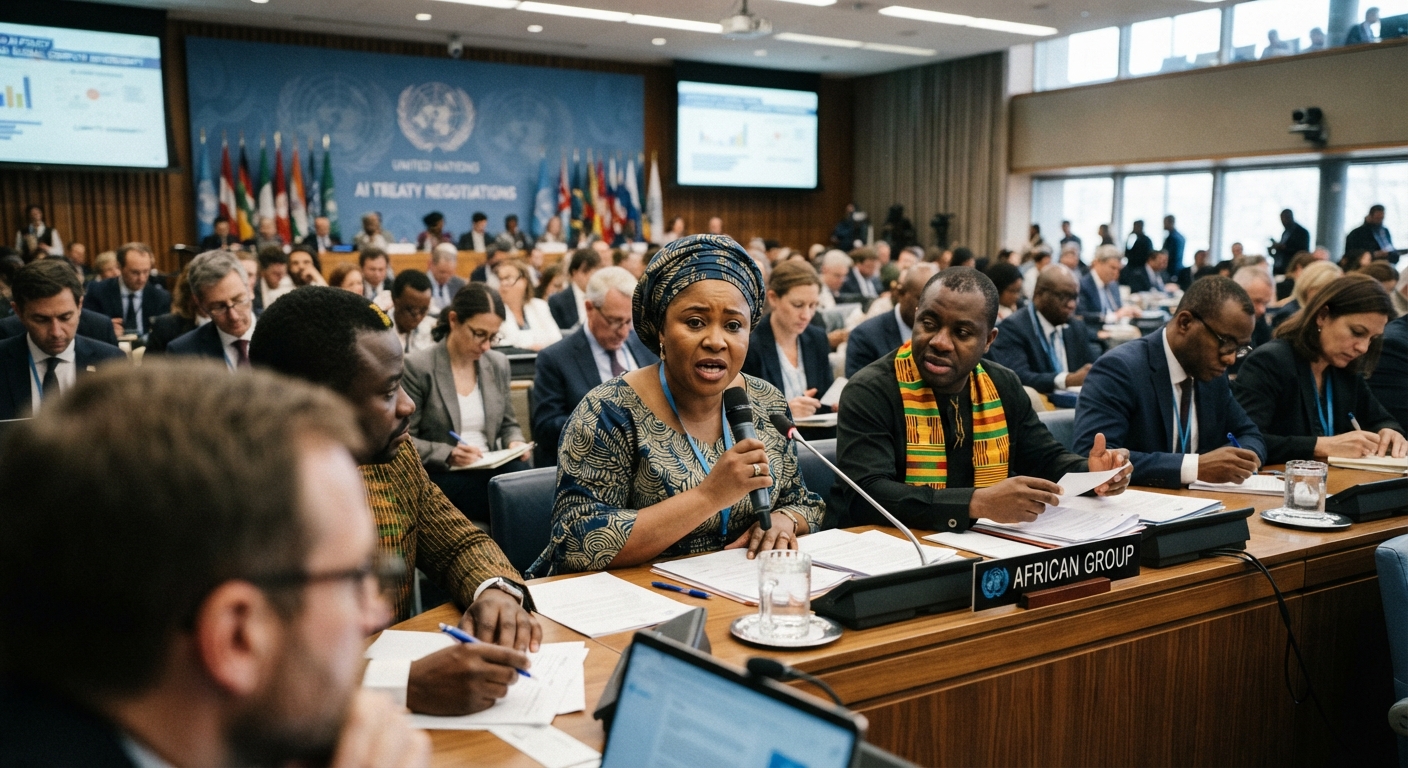
As the United Nations grapples with the monumental task of drafting an international treaty on artificial intelligence, a unified front of African nations is injecting a potent new dimension into the negotiations: compute sovereignty. This isn't merely a call for data localization, but a strategic demand for indigenous control over the physical infrastructure—data centers, processing power, and energy—essential for developing and deploying AI.
The New Scramble for Digital Infrastructure
The push by African nations marks a pivotal moment in the global AI power struggle. For decades, the continent has grappled with the 'resource curse,' exporting raw materials while importing finished goods at higher costs. Now, as AI emerges as the definitive strategic resource of the 21st century, African leaders are determined to prevent a digital rerun of history. Compute sovereignty aims to ensure that the processing of their vast datasets—the fuel for AI—occurs on African soil, under African jurisdiction. This requires significant investment in data centers, robust energy grids (often renewable), and the skilled human capital to manage them. It’s a bold move to transition from being consumers of foreign AI to co-creators of future technologies.
Re-drawing the Global AI Map
The implications of this demand are far-reaching for global AI governance and investment. Major tech giants and AI powerhouses like the U.S. and China, who currently dominate global cloud computing infrastructure, face a paradigm shift. If African nations collectively enshrine compute sovereignty in an international treaty or national policies, it would necessitate a re-evaluation of their strategic investments and market access models. It could foster localized AI ecosystems, potentially leading to more context-specific and ethically aligned AI development for the continent, while simultaneously challenging the current centralized architecture of global AI.
The Local Angle
For policy wonks, Africa's stance fundamentally alters the geopolitical calculus of AI. It introduces a powerful, collective voice challenging established digital hegemonies and advocating for a more equitable distribution of AI's economic and strategic benefits. It also sets a potential precedent for other developing regions.
Investors must now factor in significant opportunities—and risks—related to digital infrastructure development in Africa. There's an urgent need for sustainable, large-scale investments in data centers, green energy solutions to power them, and secure connectivity. Companies failing to localize or partner effectively risk being shut out of a burgeoning market.
Executives in tech and other industries relying on AI will need to navigate new regulatory landscapes. Compute sovereignty mandates could impact data residency, cloud service procurement, and the deployment of AI models, pushing for decentralized operations and deeper local engagement rather than simple market penetration.
Source: Diplomacy Brief